In this post
Hospitals, care homes and community clinics have close-contact environments where infections can spread quickly. Effective infection prevention and control (IPC) protects both the people receiving care and the staff providing it.
This guide outlines the core principles behind IPC and the everyday routines, environmental measures and organisational responsibilities that help keep care settings safe.
Principles and levels of IPC
Infection prevention and control, or IPC, in UK care settings centres on one idea: infections spread only when a chain of events lines up.
Germs need a source, a route out, a way to travel and someone vulnerable to infect. Breaking that chain at any point, whether that’s by using the right barriers or supporting someone’s natural defences, reduces the risk.
To do this well, IPC uses two layers of protection:
- Standard precautions – these apply to every person in a care setting because anyone could carry an infectious agent, even without symptoms. They cover day-to-day routines such as hand-washing, safe handling of equipment, respiratory etiquette and wearing basic PPE where there is any risk of contact with body fluids. These precautions form the baseline of safe practice.
- Transmission-based precautions – when a particular infection is known or suspected, extra steps are added to limit spread through contact, droplets or airborne particles.
- Contact precautions (e.g., for MRSA or C. difficile) – gloves and aprons, single-room isolation where possible and dedicated equipment.
- Droplet precautions (e.g., influenza, meningococcal disease) – surgical masks within two metres of the patient and eye protection if splashes are likely.
- Airborne precautions (e.g., tuberculosis, measles) – negative-pressure rooms and fit-tested FFP3 respirators.
To choose the most appropriate level of protection, there needs to be clear, quick communication between clinical teams, lab services and IPC leads. Transmission is far easier to control when everyone understands the risk and the measures needed.
Regulatory framework – CQC and NHS guidelines
The Care Quality Commission (CQC) checks that services meet fundamental standards for cleanliness and IPC, and publishes reports so patients and commissioners can see how a service is performing. When standards fall short, the CQC can issue improvement notices or take enforcement action.
National bodies such as NHS England set wider direction through documents like the NHS Long Term Plan and national surveillance reports. NICE guidance – for example, NG125 on preventing healthcare-associated infections in community settings – supports evidence-based practice. Health Technical Memoranda and updates from the UK Health Security Agency (UKHSA) give more detailed advice on decontamination, waste management and emerging infections.
Most organisations also have a local Infection Control Committee. These teams turn national guidance into practical policies for their setting, lead training and make sure regulatory requirements are applied consistently day to day.
Hand hygiene – technique, timing and auditing
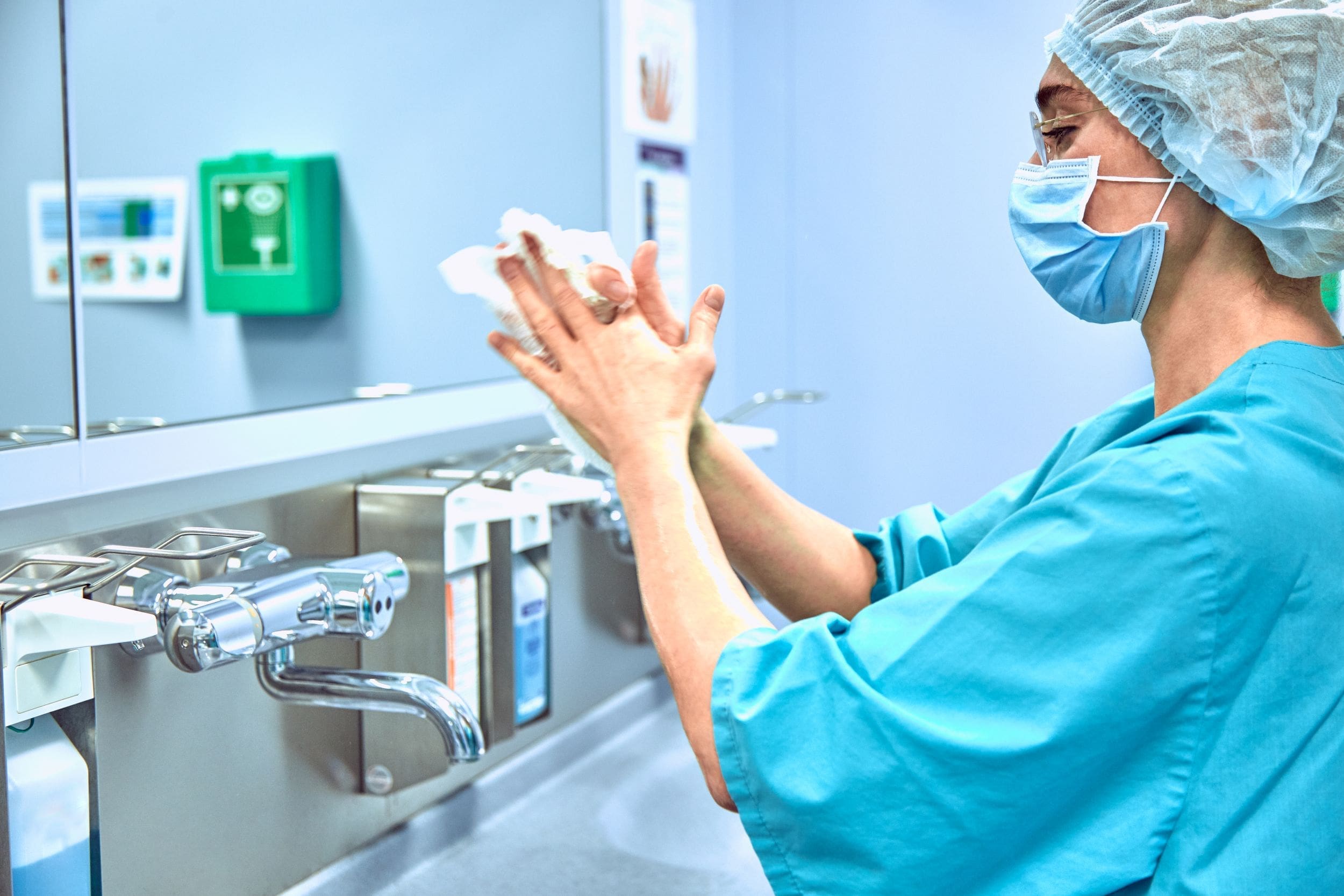
Good hand hygiene is still the most effective way to prevent infections in care environments. It stops germs from moving from person to person, from surfaces to hands and from hands to people who are vulnerable.
In the UK, staff are expected to follow the World Health Organization’s “Five Moments for Hand Hygiene”. These set out the need for staff to wash their hands:
- Before touching someone
- Before an aseptic task
- After exposure to body fluids
- After touching someone
- After touching their surroundings
Alcohol-based hand rub is the default option when hands are not visibly dirty. It works quickly and should be rubbed in for at least 20 seconds.
Soap and water are essential when hands are soiled, after using the toilet or when caring for someone with infections such as Clostridioides difficile or norovirus.
Keeping standards high depends on the environment as much as the technique. Hand sanitiser dispensers need to be placed where staff naturally reach for them – at the point of care, by doors and along busy routes. Soap, towels and sanitiser must be topped up regularly.
Friendly reminders often help more than formal ones. Posters, stickers on dispensers and visual cues at sinks keep hand hygiene front of mind without feeling punitive. Regular audits – either through quick observations or monitoring dispenser use – give teams a sense of how they’re doing. Sharing findings openly and without blame helps build habits that stick.

Using personal protective equipment
Personal protective equipment (PPE) creates a barrier when there’s a risk of coming into contact with blood, body fluids or infectious droplets.
Gloves and fluid-resistant aprons are used for most routine care activities. Full-sleeve gowns, FFP3 respirators and face shields are reserved for higher-risk situations, such as aerosol-generating procedures or caring for someone with a confirmed airborne infection.
Good PPE practice is as much about how you put it on and take it off as about the choice of equipment itself. The order you do this in helps prevent germs from transferring to skin or clothing.
Donning (putting on):
- Perform hand hygiene
- Put on apron or gown
- Put on mask or respirator
- Add eye protection
- Put on gloves
Doffing (taking off):
- Remove gloves first
- Remove apron or gown
- Perform hand hygiene
- Remove eye protection
- Remove mask or respirator
- Perform final hand hygiene
Short, regular refreshers – even quick two-minute run-throughs during handover – help ensure staff carry out these sequences automatically. Clear signage near PPE stations and accessible stock also make it more likely that staff will use equipment correctly and consistently.
Handling and disposing of clinical waste safely
Clinical waste needs to be handled carefully so it doesn’t put staff, patients or visitors at risk.
Waste should go straight into the right container, not left on trolleys or worktops. In UK care settings, waste is sorted into clear categories so it can be treated safely and legally:
- Infectious waste – yellow bags for items contaminated with blood or body fluids
- Offensive (hygiene) waste – orange or tiger-striped bags for items that aren’t infectious but are unpleasant, such as used dressings
- Sharps – rigid, puncture-resistant containers for needles, lancets and anything that could pierce the skin
Bags and containers should be sealed as soon as they are three-quarters full and stored safely until collected by a licensed waste carrier. Sharps containers must be placed close to the point of use so staff never have to walk around holding used needles.
Every consignment of infectious waste needs a waste transfer note so it can be traced from collection to treatment. These records support inspections.
Regular walk-rounds help spot problems early – overfilled bins, missing lids or containers placed too far from clinical areas. Keeping bins clean, labelled and easy to reach makes compliance an everyday habit.
Environmental cleaning and disinfection protocols
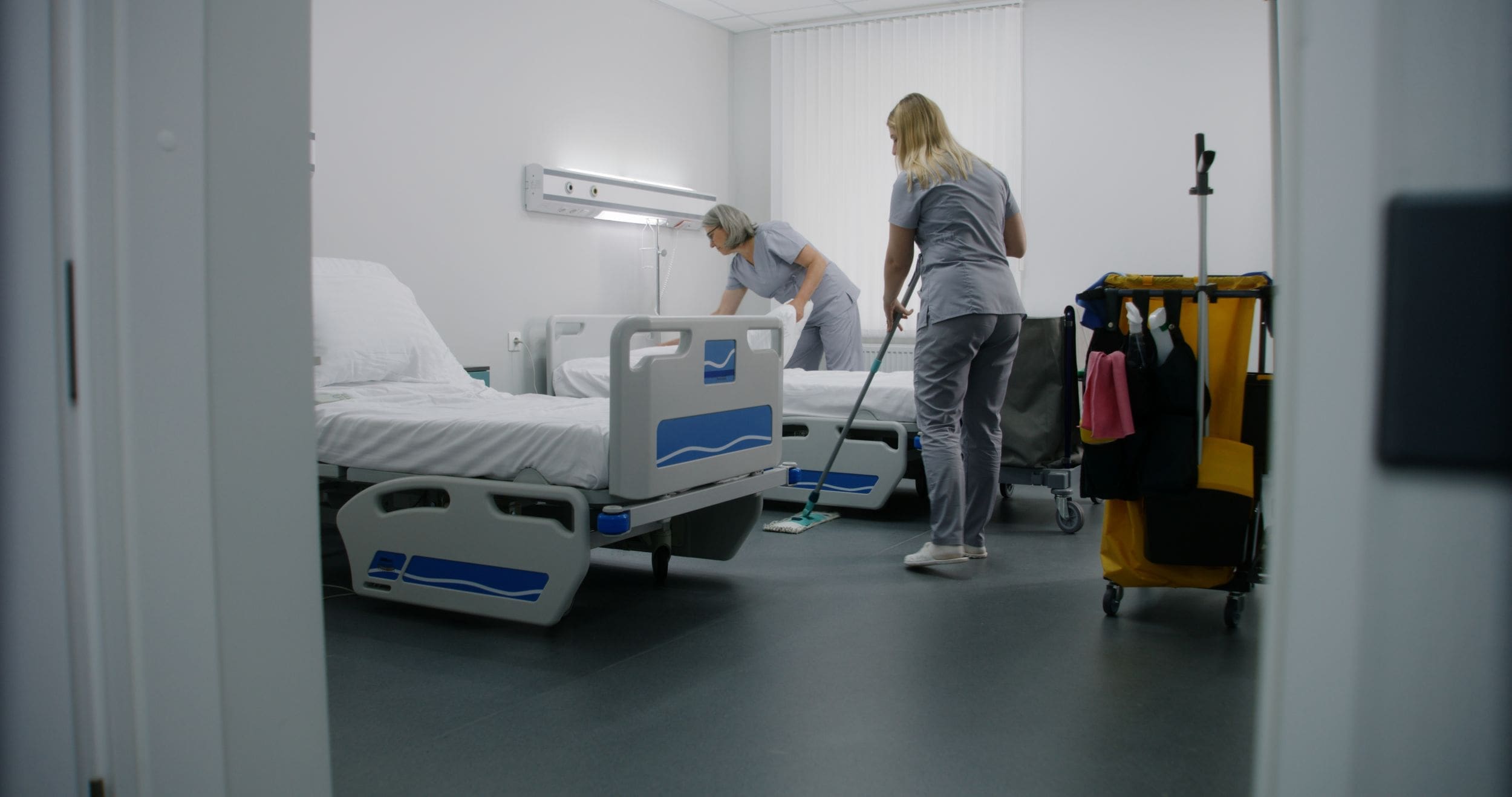
Surfaces and equipment in care settings can carry germs long after a patient has moved on, so cleaning routines need to be consistent and easy for staff to follow. A simple daily structure works best: clean what’s touched most often, clean it well and clean it regularly.
Daily cleaning usually covers floors, bed spaces, bathrooms and shared areas. High-touch points need extra attention because they carry the highest risk. These include:
- Bed rails
- Bedside tables
- Call bells
- Door handles
- Light switches
- Chair arms
- Commodes and toilet seats
These should be cleaned and disinfected several times a day, not just during scheduled rounds.
When a patient is discharged or transferred, the room needs a full clean before a different patient moves in. Curtains, mattresses, furniture and clinical equipment should all be disinfected.
Choosing the right products matters. Bleach-based solutions are preferred for organisms like C. difficile. For routine work, care settings often use quaternary ammonium or chlorine-based disinfectants. Visible dirt should always be removed first, because disinfectants do not work properly on dirty surfaces.
Some organisations use ATP testing or microbiological swabs to check cleanliness. These tools give quick feedback and help identify areas that need more frequent cleaning.
Domestic and cleaning teams are central to infection control. Many services now provide them with clinical-level IPC training so they understand why each step matters and feel confident asking for clarification when routines change.
Sharps management and needle-safety devices
Sharps injuries carry a real risk of transmitting bloodborne viruses, so safe handling must be built into everyday practice. UK regulations require sharps to be used only when there’s no suitable alternative, and safety-engineered devices are expected wherever possible. These include retractable needles, needle shields and blunt suture needles.
Used sharps should never be recapped. They must go straight into a puncture-resistant sharps bin at the point of use. These containers need to be positioned at a comfortable height, kept below the fill line and replaced promptly by a licensed provider.
If a member of staff is injured by a sharp, the incident should be reported immediately so a risk assessment and any necessary post-exposure treatment can begin without delay. Follow-up must be documented, and support offered.
Clinical staff can identify problem areas by regularly checking the positioning of sharps containers. If they are too far from the point of care or routinely found overfilled, adjustments can be made before incidents happen.
Managing an infection outbreak
In any care setting, spotting patterns early is key. If two or more people develop similar symptoms within a short timeframe, an outbreak may be starting. Staff should flag this straight away so the local Health Protection Team can be contacted for advice.
Once an outbreak is suspected, affected patients should be moved to single rooms or grouped together. The same care staff should stay with them to reduce cross-infection. Cleaning routines must be stepped up, with extra attention to high-touch areas, and hand hygiene checks should become more frequent. Visitor access may need to be limited or redirected until the situation settles.
Clear communication keeps everyone calm and informed. Staff, patients and families should understand what precautions are in place and why they matter so that they can play their part.
When the outbreak has passed, a short debrief helps identify what worked well and what needs tightening. Reviewing timelines, cleaning records and any staffing challenges creates a clearer picture for next time. Even small adjustments can make the response smoother in future situations.
Antimicrobial stewardship and responsible antibiotic use
Preventing infections is only one part of the picture. Care settings also play a role in slowing antibiotic resistance by making sure antibiotics are used only when genuinely needed. Antimicrobial stewardship and infection control strengthen each other, reducing avoidable infections and ensuring antibiotics remain a reliable treatment option.
Clinicians follow evidence-based guidelines when prescribing and review treatment after 48–72 hours once test results come back. If the infection is not confirmed, or a narrower antibiotic will work just as well, the plan is adjusted. This protects patients from unnecessary medication and helps keep antibiotics effective for longer.
Pharmacists and microbiology teams support this work by advising on doses, checking for interactions and highlighting local resistance trends. Many electronic prescribing systems now flag issues automatically, such as long courses or overly broad-spectrum drugs, prompting timely reviews.
Regular audits and short feedback sessions help staff see patterns in prescribing and make improvements.
Staff health – immunisations and sickness policy
Healthy staff are essential for providing patients with safe care. Staff health directly protects patients, co-workers and the wider care environment.
Vaccinations are a key part of this, including hepatitis B, MMR, varicella, the yearly flu jab and seasonal COVID-19 boosters for higher-risk settings. Occupational health teams usually manage these programmes and keep records up to date.
Clear sickness policies help prevent infections from spreading through the workforce. Staff with gastrointestinal or respiratory symptoms are expected to stay home for the required exclusion period, and occupational health can advise on when it’s safe to return.
This only works with honest reporting. Staff should feel comfortable telling their managers they are sick without fearing stigma or being penalised. This also makes it easier for managers to plan cover and maintain safe staffing levels during busier periods.
Safe visiting and volunteer practices
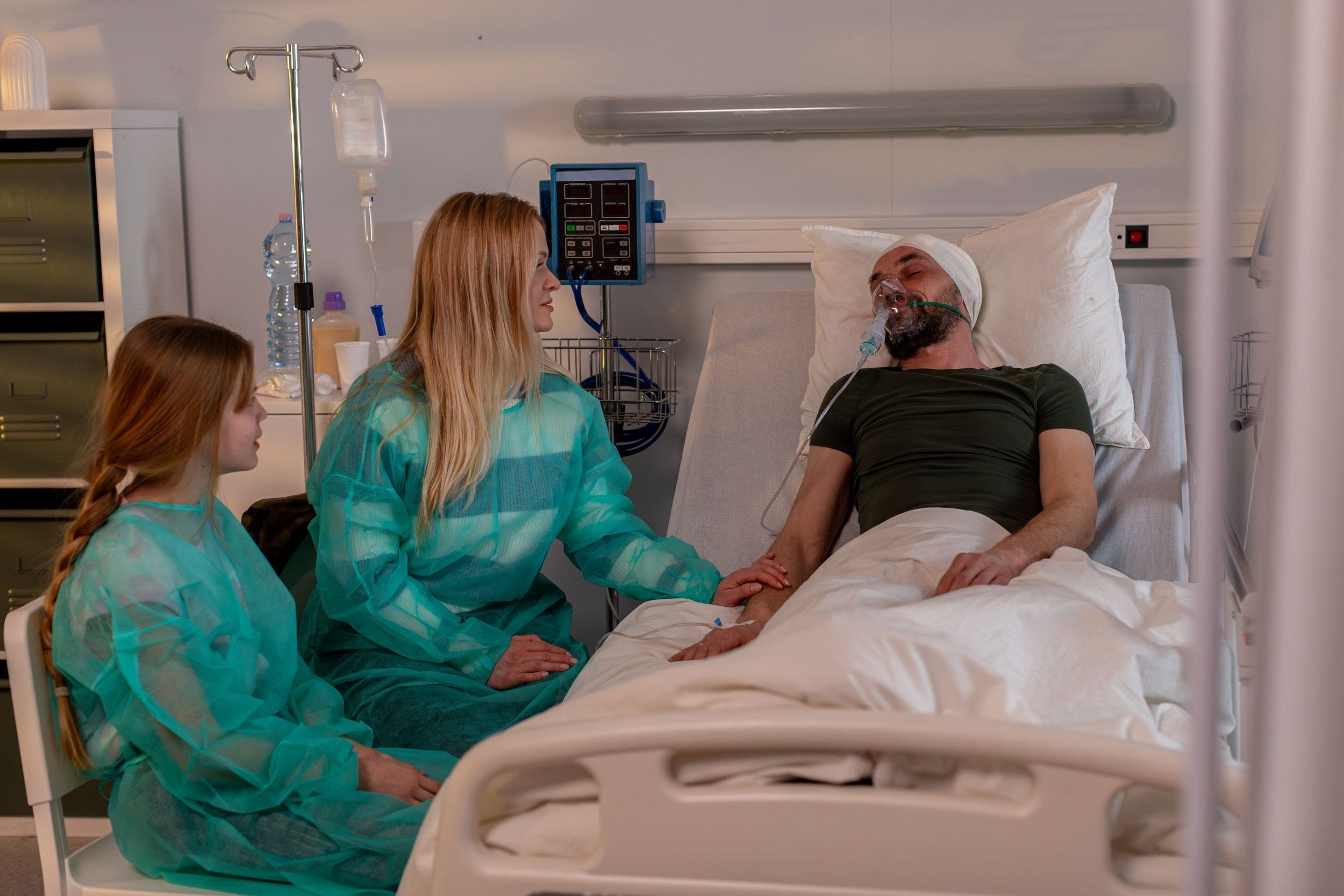
Visitors and volunteers bring real value to care settings, but they also introduce extra infection risks. Simple, consistent routines help keep everyone safe.
People are usually asked not to visit if they feel unwell, especially if they have a fever, diarrhoea, vomiting or a new cough. At entrances and reception areas, clear signs can remind visitors about hand hygiene, respiratory etiquette and any areas that are off limits. Short information sheets or posters can help people find hand sanitiser, understand when basic PPE is needed and know where they can and cannot go.
During outbreaks or high-risk periods – such as flu season – visiting may need to be limited or redirected to safer areas. These changes should be fully explained so that families understand the reasons behind them.
Volunteers usually receive a short IPC induction before supporting residents or helping with activities. This gives them the confidence to play a positive role without unintentionally compromising safety.
Monitoring, auditing and IPC training
Strong infection control relies on regular checks and ongoing learning. Most settings track key indicators – such as hand hygiene compliance or rates of common healthcare-associated infections – so they can spot trends early and respond quickly.
Scheduled audits look at everyday practice, including PPE use, waste segregation and cleaning routines. When gaps appear, managers create simple action plans with clear responsibilities so improvements happen quickly rather than sitting on a shelf.
Training starts at induction, covering the essentials of IPC and the specific routines used in the service. Annual refreshers keep staff up to date with new guidance, products and patient needs. Practical exercises – like donning and doffing PPE or rehearsing how to respond to an outbreak – help people build confidence and muscle memory.
Many organisations recognise staff who champion good practice or help colleagues with tricky tasks. These small acknowledgements can lift morale and reinforce the idea that infection prevention is everyone’s job.
Emerging challenges – COVID-19 and other novel threats
COVID-19 showed how quickly guidance can change and how important it is for care settings to react at speed. Respiratory precautions were updated, and the pandemic sparked a greater focus on ventilation. Training also became remote, not necessarily in-person. Many services now keep a larger reserve of PPE. They have also diversified suppliers to safeguard supply chains and made sure that staff can take on different roles during periods of pressure.
Looking ahead, infection risks are shaped by wider factors. Climate change is altering the patterns of some zoonotic diseases, and antimicrobial resistance continues to grow. New tools are being explored – from ultraviolet disinfection units to antimicrobial coatings – but each needs careful evaluation before widespread adoption and routine use. Better surveillance, including genomic testing and wastewater monitoring, will help detect emerging threats earlier.
UK care settings must stay prepared for whatever challenges come next. They can do this by applying lessons from recent years, keeping supply chains resilient and encouraging ongoing learning.