In this post
When families and early years staff promote and prioritise physical health in children, it lays the groundwork for a lifetime of well-being and resilience.
The way babies, toddlers and preschoolers move, eat, rest and learn to care for themselves shapes not only their bodies but their thinking, emotions and social development. The early years foundation stage (EYFS) statutory framework treats physical development as a prime area, and for good reason. When children feel confident in their bodies, they are more willing to explore, try new things and take part in daily routines.
This guide offers practical, evidence-informed ideas to help nursery and preschool teams support physical health from birth to age five. Each section includes simple examples you can weave into everyday practice – from active play and nutritious meals to sleep routines and early self-care – so children feel secure, capable and ready to grow.
Why physical health matters in the early years
Physical health in the first five years affects how children think, communicate, manage emotions and get involved in daily life. When a baby lifts their head during tummy time, or a toddler starts climbing, they are building the strength and coordination that support later skills such as writing, dressing and concentrating at group time.
Healthy routines also help protect children from the constant coughs, colds and tummy bugs that can interrupt progress. For example, active children tend to sleep better, cope with change more easily and show more curiosity during play. Eating well supports the energy levels children need, as well as concentration. Regular movement helps children burn off tension and feel calmer throughout the day.
These early habits tend to stick. Children who grow up enjoying outdoor play, varied foods, good sleep and simple self-care are more likely to carry those routines into primary school. In contrast, limited movement, irregular sleep or sugar-laden diets can make it harder for some children to settle, learn and keep a steady mood.
Early years settings play an important role here. Even small choices – offering daily opportunities to run around outside, showing children how to wash their hands properly or serving nutritious snacks – make a lasting difference to how children feel in their bodies and how ready they are to learn.
The EYFS framework – physical development goals and safeguarding
Physical development is a core part of the EYFS framework because it shapes so much of a child’s learning. It covers two strands:
- Moving and handling (big movements like running and balancing, as well as smaller movements like holding tools)
- Health and self-care (washing hands, dressing, eating well and staying safe)
By the end of the early years, most children are expected to move with confidence, control small movements and manage simple self-care tasks. These goals guide how settings plan activities and structure the day. Watching how children move, handle tools and manage their own needs helps staff decide what support or challenge to offer next.
Safety is an important part of this. Spaces need daily checks, equipment must be well maintained, and routines for sun safety, shared resources and first aid should be clear and consistent.
Above all, EYFS physical development is about balance: protecting children from harm without removing the healthy challenges that help them grow. Running, climbing, pouring, jumping and preparing snacks all carry small risks, but with supervision and a well-thought-through plan, they can build confidence and coordination.
Gross motor skills – activities to build strength and coordination
Gross motor skills are the big movements children use to crawl, walk, climb, run and navigate the world. These abilities develop gradually, and everyday play is what strengthens them most.
For babies, simple things like tummy time, reaching for toys and pushing up on their arms build neck and core strength. As they begin to roll, shuffle and crawl, you can add low cushions, tunnels or sturdy furniture to encourage safe pulling-up and cruising.
Once children move into the toddler and preschool years, aim to offer plenty of chances to climb, jump, slide, push, pull and balance. For example, an obstacle course made from benches, mats and crates can be changed often to keep it engaging. Throwing and rolling soft balls helps coordination as children learn to take turns and anticipate each other’s movements. Short music-and-movement sessions – copying, stomping, clapping or swaying – build strength and listening skills while keeping movement fun. And that’s key: exercise should never feel like a chore.
Outdoors, different surfaces such as grass, bark or sand naturally challenge a child’s balance. Gentle slopes, tree stumps or stepping stones offer just enough risk to feel exciting while still being safe with close supervision. A quiet “you did it” or gentle encouragement when a child attempts something new can do more for their confidence than any formal activity.
The aim is simply to give children space to move freely, test their limits safely and enjoy the feeling of their bodies becoming stronger and more capable.
Fine motor skills – supporting hand-eye coordination and dexterity development
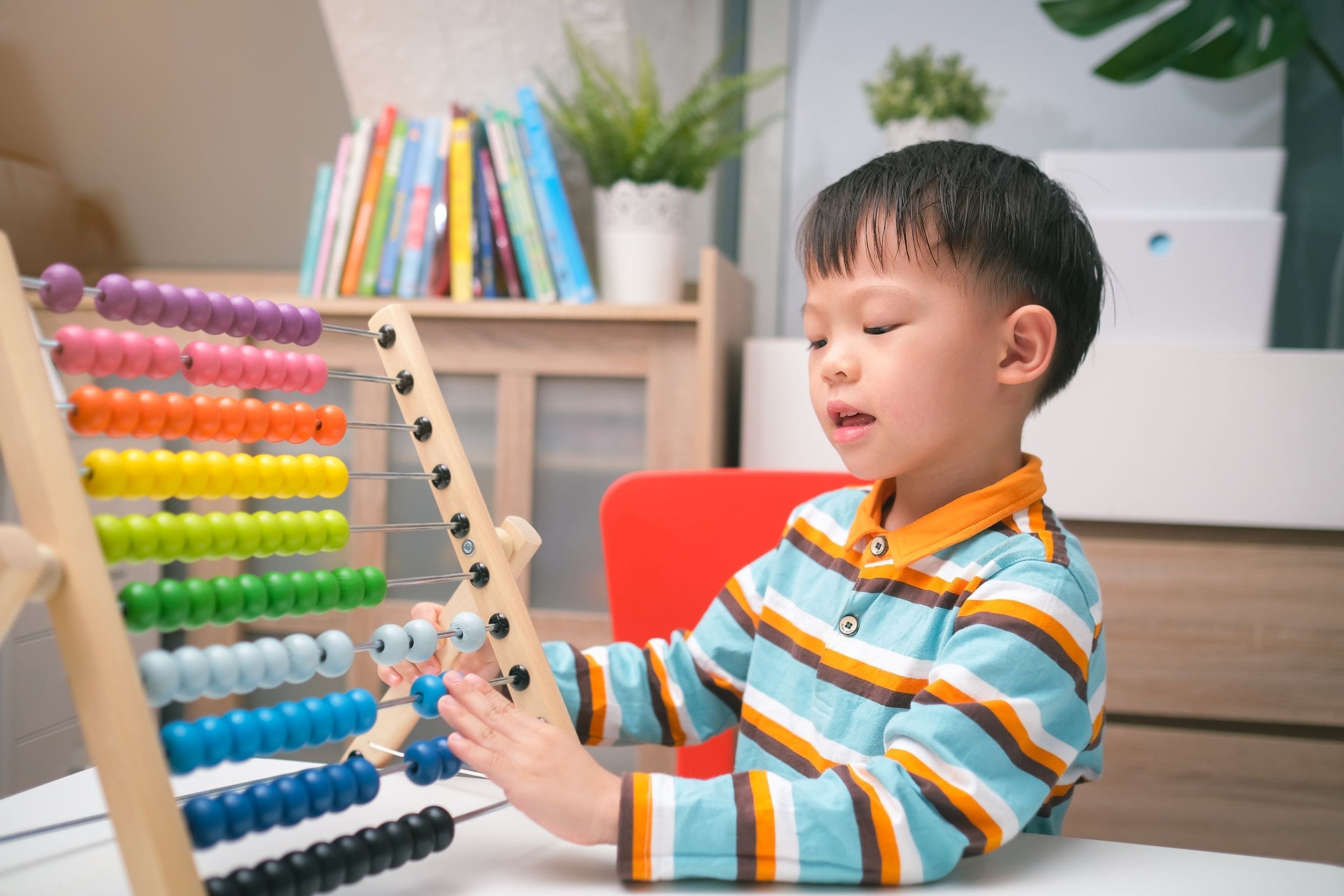
Fine motor skills are the smaller hand and finger movements children need for everyday tasks like feeding themselves, getting dressed, using cutlery, drawing and eventually writing. These skills grow steadily through play and daily routines.
For babies, soft toys, rattles and safe objects they can grasp, shake or mouth help them learn how their hands work. Finger-play rhymes give their fingers and wrists a gentle workout without them even realising.
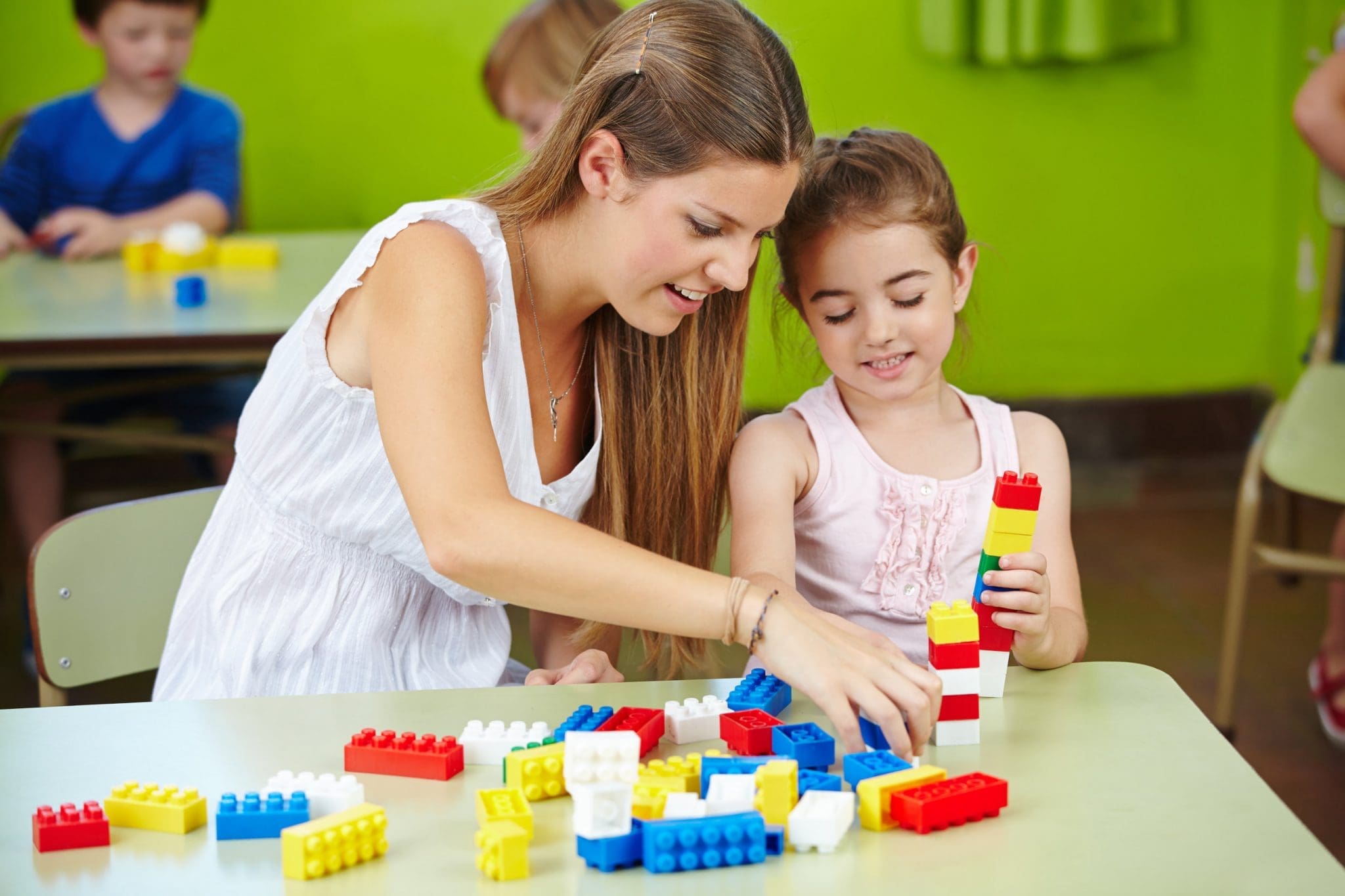
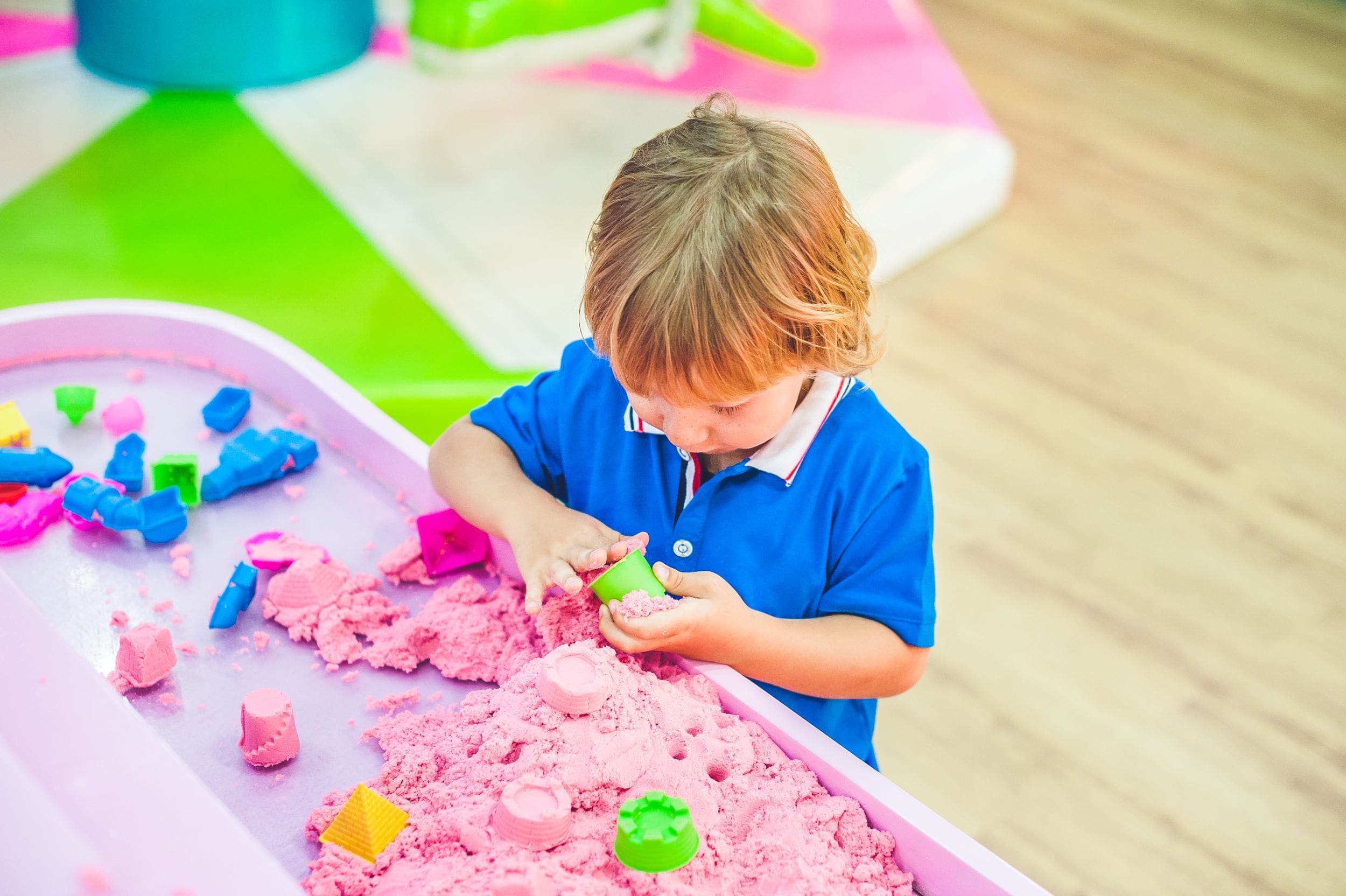
As children get older, offer activities that involve pinching, squeezing, twisting and threading. Playdough is ideal for this – rolling, flattening and using simple tools builds strength and coordination while also sparking creativity. Mark-making with sand, foam or paint lets children experiment with movement before they are ready to tackle pencils. Snipping paper with child-safe scissors, threading chunky beads, peeling stickers or pouring water between jugs all support hand control in a meaningful way.
Daily life offers just as many opportunities as the craft table. Zipping coats, putting on wellies, opening lunchboxes or helping set the table all build confidence and dexterity. The trick is to offer enough time and a bit of gentle patience so children can try for themselves without feeling rushed.
Active play – indoor and outdoor ideas for every season
Children learn through movement, so active play needs to be part of their everyday routine. It’s best to avoid creating a strict exercise plan, as this can be off-putting. Instead, build regular chances for children to climb, jump, balance, run and explore in ways that feel natural and fun.
Ideas for indoor active play:
- Simple movement stations – cushions to step across, a line of tape to balance on, beanbags to aim at a target or a soft mat for gentle rolling
- Music for short movement bursts – copy-and-repeat actions such as stomping, swaying or jumping, led live by an adult so children can mirror the actions
- Chase-free zones – an agreed space where running isn’t allowed, helping children practise controlled movement in tighter areas
- Small equipment – scarves for waving, foam balls for rolling and catching or child-safe hoops for stepping in and out
Ideas for outdoor active play:
- All-weather play – waterproof suits and wellies make puddle-jumping, leaf-throwing and muddy adventures safe and enjoyable
- Natural features – gentle slopes for rolling or climbing, tree stumps as stepping stones or grass patches for simple races
- Rotated equipment – bikes, balance boards, tunnels, crates or tyres so the space feels fresh and tempting
- Seasonal activities – bubble races in spring, water play in summer, leaf piles in autumn and supervised sliding or rolling in winter
Blending free play with guided challenges:
- Child-led movement – letting children choose how to move during free play, whether running, climbing, rolling or dancing
- Short guided challenges – adding quick, simple prompts such as “step over the blocks” or “roll the ball to a friend” to introduce new skills without interrupting the children’s play
- Building on current interests – extending what children are already doing, for example, encouraging a higher step when climbing or adding start–stop games when they’re already running
- Using equipment wisely – offering light structure through cones, hoops, low beams or tunnels so children can explore balance, coordination and control at their own pace
Ask children to tell you how they found the activities to encourage simple reflection. Questions like “How did your legs feel after all that climbing?” help them notice body cues and become more aware of their likes, dislikes, limits and body.
Nutrition fundamentals – balanced meals and healthy snacks
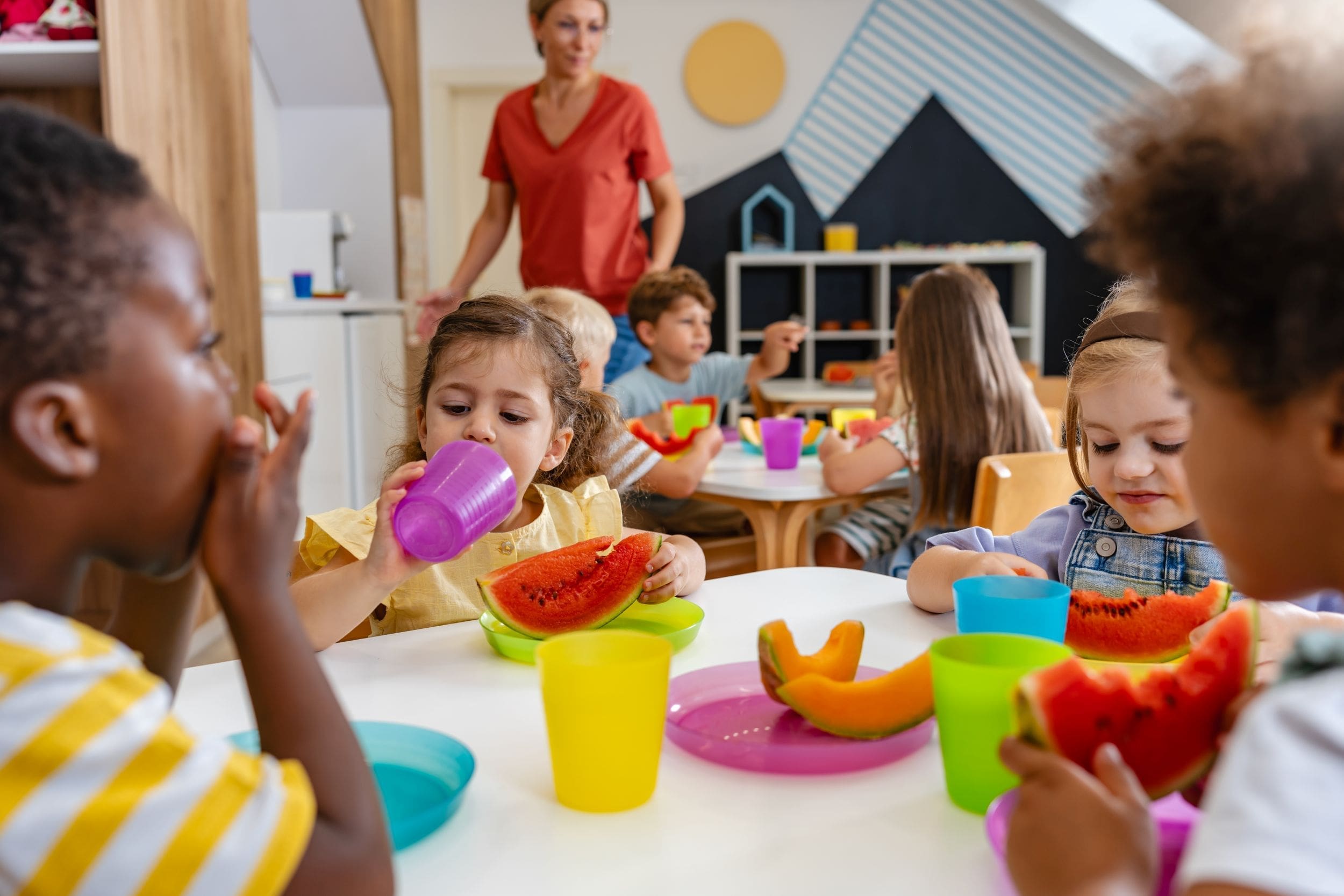
Good nutrition in the early years supports everything else children need to thrive: steady growth, strong immune systems, energy for play and the concentration needed to explore and learn. Mealtimes in a nursery or childminding setting don’t have to be complicated, but they do need to be consistent, balanced and child-friendly.
A simple approach works best. Breakfast might include porridge, yoghurt, fruit or toast. Snacks can be small portions of vegetables, fruit, cheese or dips. There’s no need to rely on sugary options. Lunch could be a mix of vegetables, a starchy food such as rice or pasta and a source of protein (like beans, chicken or lentils). This is enough to keep children full and fuelled in the afternoon ahead.
Children learn a lot from watching adults eat. Sitting together, chatting about the colours, textures or smells of different foods helps build curiosity and enjoyment without pressure. Letting children help with easy tasks – washing berries, tearing lettuce leaves or stirring pancake batter – encourages exploration and learning.
Cultural variety matters too. Including dishes from different backgrounds not only broadens children’s palates but also celebrates the diversity of the families in the setting.
You may find that small steps make a big difference. For example, offering water regularly, serving child-sized portions and giving children time to eat at their own pace all support healthier habits. Over time, these routines help children understand their own hunger cues and build a positive relationship with food.
Hydration and weaning – from breastmilk or formula to independent drinking
Young children need to stay hydrated, as their bodies warm up and lose fluid quickly compared to adults. In the first months, breastmilk or formula provides everything a baby needs. As solids are introduced, drinking becomes a new skill – and it develops gradually.
Around six months, offering small sips of water in an open cup or a simple trainer cup alongside meals helps babies practise controlled sipping. Spills are normal and expected. They show how the child is learning how to coordinate their hands, lips and tongue.
Child-led weaning often works best. Starting with soft purees and simple mashed foods gives babies time to explore tastes and textures without feeling overwhelmed. As they become more confident, finger foods such as steamed vegetable sticks, soft fruit pieces or strips of omelette support self-feeding, grip strength and independence.
Most nurseries keep water accessible throughout the day so children can help themselves. Staff should make a note of how much each child drinks during meals and snack times and share this information with families.
Sleep patterns – establishing routines for rest and recovery
Good sleep is just as important as food and movement in the early years. Babies often sleep for long stretches across the day and night, while toddlers and preschoolers gradually move towards one daytime nap or none at all.
All children develop differently. These changes won’t happen at the same time for each child, so a flexible, responsive approach is best.
At nursery, familiar routines help children relax. Simple cues – dimmed lights, a quiet story, gentle music – signal that it’s time to take a break and settle down. Rest areas should feel calm and safe, with cots or mats that meet safety standards and a favourite comfort item from home if the family chooses. For young babies, placing the sleep area away from busy play spaces helps them drift off without disruption.
Watching children closely makes it easier to offer rest before they become overtired. Yawning, rubbing eyes or suddenly losing interest in play are all early signs they need a break. Plenty of active play earlier in the day also supports better rest later on, helping children settle more easily.
A short update to families about how their child has rested can be useful. If naps are shorter than usual or a child seems tired, small adjustments are easier when everyone has the same picture.
Everyday hygiene and oral health habits
Good hygiene routines and early oral-health habits give children confidence in looking after themselves and help reduce illness across the setting. When these practices are woven naturally into the day, they feel purposeful, achievable and even enjoyable for young children.
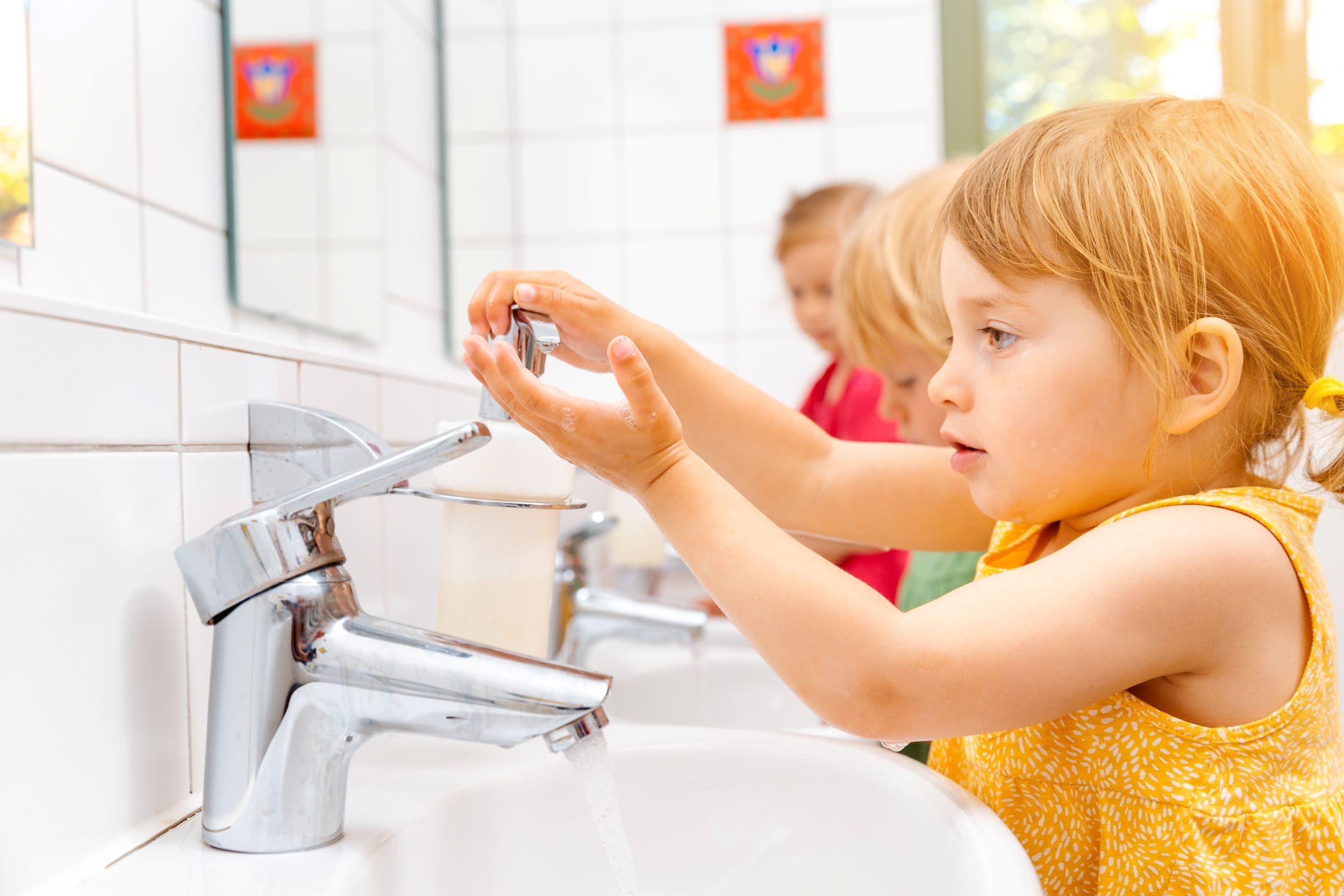
Handwashing routines children can follow
Handwashing is still one of the most reliable ways to prevent infections in early years settings. Children learn best through repetition and modelling, so adults should demonstrate the steps slowly and consistently: wet hands, add soap, scrub all surfaces for 20 seconds, rinse and dry.
Consider putting pictures or simple rhymes near sinks where children can see them. This ensures the routine stays front-of-mind and serves as a handy reference. On a practical level, low sinks, sturdy step stools and paper towels mean children don’t need to rely on adult help.
Toileting, nappy changes and gentle self-care
Toileting and nappy-changing are parts of the day where mess and close contact make it easier for infections to spread, so these routines need calm, consistent handling.
A clean, well-ventilated changing area with a hands-free bin helps keep hygiene standards high. Adults should wear disposable gloves and an apron for each change, clean the mat with a child-safe disinfectant and wash their hands immediately afterwards.
Once children begin to use the toilet, you can gently support them to wash their hands. Visual prompts above toilets and sinks, reminders to flush and clear steps for handwashing all contribute to good habits.
Introducing oral health as part of daily care
From the first tooth onwards, children should brush twice daily with fluoride toothpaste. In settings that support supervised brushing, practitioners can guide children through a simple sequence: a small smear or pea-sized amount of toothpaste, gentle circles over each tooth surface and a two-minute rhythm supported by a song or timer.
Try to keep the tone light – “Let’s make our teeth shiny” – to help children engage without feeling pressured. Families need clear advice on keeping these routines going at home, and settings can gently point them towards early dental check-ups when needed.
Healthy teeth also depend on what children eat and drink. Encourage them to drink water or milk between meals and provide low-sugar snacks such as cheese, vegetables or whole-grain crackers.
Dressing and personal grooming
Getting dressed is an everyday chance for children to build independence. Adults can help by offering simple choices, showing how to find sleeves or fasten buttons and shoes and giving plenty of unhurried time to try things themselves.
Small routines – brushing hair, wiping faces after snack or straightening clothes after outdoor play – help children feel comfortable and take pride in looking after themselves. Over time, these skills become quicker and more confident, making daily transitions smoother for everyone.
Screen time guidance – balancing digital and physical play
Digital media can be a useful way to share stories or explore ideas, but too much screen use can get in the way of the real-life play and interaction young children need.
Current guidance from the Royal College of Paediatrics and Child Health recommends no screen time for under-twos (other than video calls) and, for children aged two to five, no more than an hour a day of high-quality content enjoyed with an adult. Watching together makes screen time social and encourages conversation about what the child is watching.
In early years settings, screens work best when they have a clear purpose. A short clip to introduce a rhyme, a dance move or a new idea can be helpful. After that, encourage children to get up, join in and repeat the activity without the device. Treat screens as an occasional tool, not something children rely on.
Used this way, technology supports learning without dominating it.
Risk-taking – supporting children to try new challenges safely
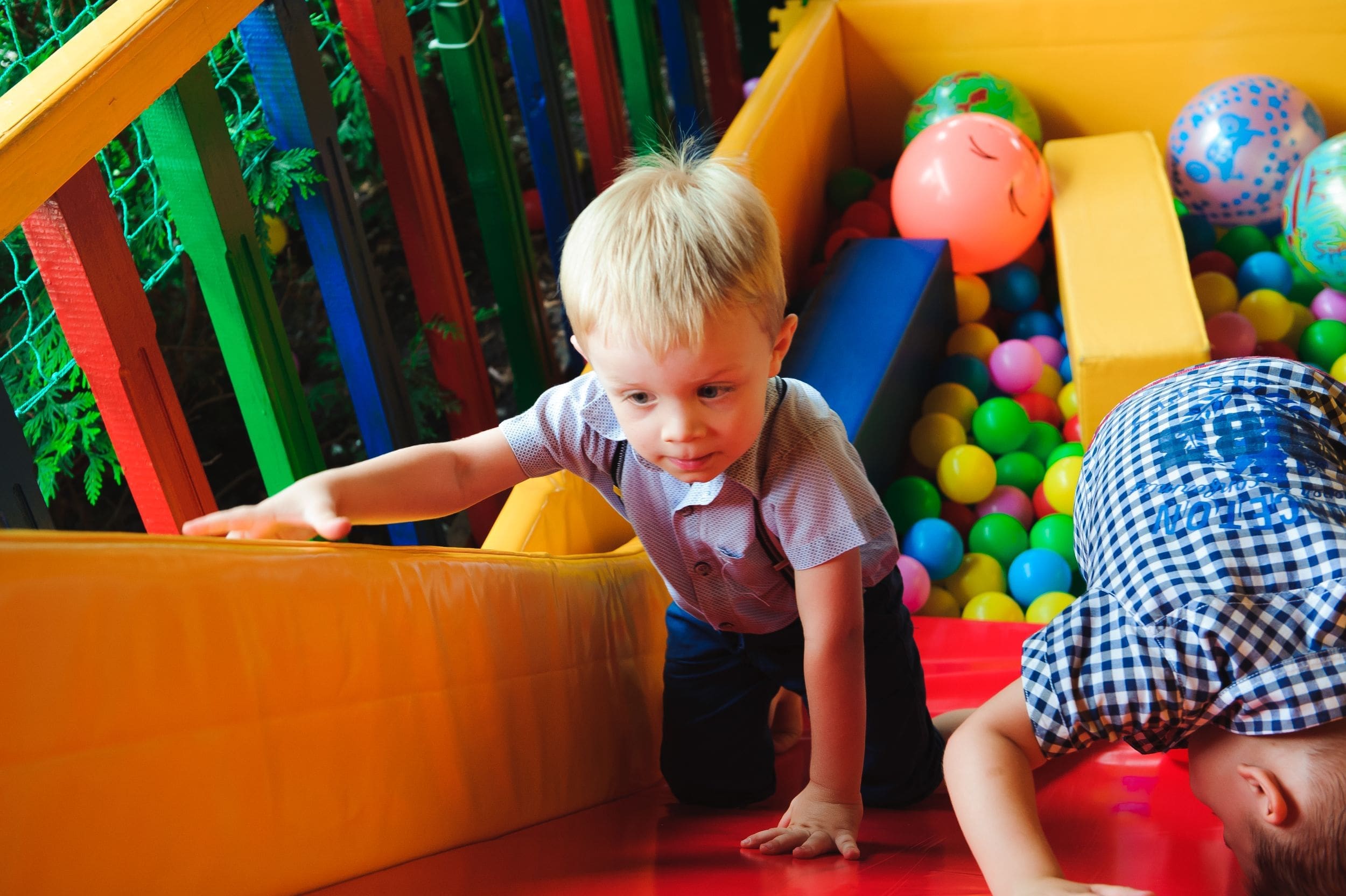
Children build resilience and good judgement by trying things that feel a little challenging – but it’s important that their environment remains safe. The aim isn’t to remove all risk, but to create spaces where children can explore and test themselves without facing serious danger. A low balance beam or a small climbing crate might involve the possibility of a wobble or a soft tumble, but they also offer huge rewards in coordination, courage and problem-solving.
Small steps help children feel secure and confident. They might begin on equipment close to the ground, moving higher only when they feel ready. Adults stay nearby, give simple prompts – “Hold the rail as you climb”, “Check your footing” – and make sure the landing area is soft. This support helps children learn how to manage risk while keeping their enthusiasm high.
You can turn loose materials like crates, tyres or logs into obstacle courses or makeshift climbing structures. The children can even be involved in designing these set-ups so that they naturally learn to think about stability, height and space. Adults step in only to support safety, not to take over.
With the right balance of freedom and oversight, children learn their own limits, recognise when they need help and experience the pride that comes from mastering something new.
Inclusive practice – adapting activities for children with additional needs
Supporting physical health means making sure every child can join in, no matter their starting point.
Some children may need small adjustments to feel confident and safe. A child with low muscle tone, for example, might use a wider swing seat with a harness; another who finds sensory input overwhelming might feel steadier on a textured mat. These adaptations should sit naturally within group activities, not single a child out. For example, a mixed obstacle course with balance beams, ramps, tunnels and soft tactile paths gives everyone a way to take part at their own pace.
Specialists, such as physiotherapists, occupational therapists or speech and language therapists, can help you understand what each child needs to take part comfortably. Their guidance might inform simple additions: placing a standing frame near a messy-play table so a child can explore clay alongside friends, or using a short visual schedule to help a child understand what’s happening next. Some children find change challenging, so clear gestures, consistent language and predictable routines make transitions smoother.
Peer support also plays an important role. Pairing children of different abilities during play encourages them to cooperate and develop empathy.
Working with families to support healthy habits
Children make the most progress when the messages they hear at nursery reflect those they hear at home. Consistency is key, and strong relationships between staff and families make this possible.
Daily conversations – whether through a quick chat at pick-up, a note in an app or a simple paper diary – help everyone stay aware of how a child has been eating, sleeping and moving, and give parents ideas they can build on.
Settings can also offer low-key opportunities for parents to get involved. Short workshops or informal coffee mornings covering topics such as weaning, sleep routines, healthy snacks or active play give families practical tips without feeling overwhelming. Demonstrating simple ideas – for example, showing how to set up a basic obstacle course or involving parents in a finger-play rhyme – helps families see how easy it is to weave healthy habits into daily life. Some nurseries also loan small resources like skipping ropes, yoga mats or threading beads to support physical play and fine motor skills at home.
Monitoring progress – recording, reflecting and planning next steps
Supporting children’s physical health depends on noticing what children can do right now, reflecting on what they might need next and adjusting plans as they grow.
Most nurseries keep simple learning journals that record key moments, like the first time a child pedals a trike, uses a steady tripod grip or manages a toileting step with more independence. Photos (with parental consent) or quick notes help build a clear picture over time and link easily to EYFS guidance. Setting small, realistic goals for individual children keeps support focused.
Staff discussions – whether a quick chat at the end of the morning or a short slot in a team meeting – help identify patterns. If several children avoid ball games, for instance, staff might introduce different movement activities, such as parachute play or a themed obstacle course to spark interest in a gentler way.
Bringing it all together
Supporting physical health in the early years isn’t about perfect routines or elaborate plans. It’s about small, steady choices that help children feel safe, capable and ready to explore. When settings offer plenty of movement, nourishing food, good opportunities for rest, simple self-care practice and chances to take manageable risks, children grow stronger in body and in confidence.
Families and practitioners share this work. Clear communication, relaxed routines and a willingness to follow a child’s lead make healthy habits feel natural rather than forced. Over time, these everyday moments add up. They help children understand their bodies, enjoy being active and develop the resilience they need as they move through nursery and into school.
Above all, physical health in the early years is about giving children the foundations to feel well, curious and ready for whatever comes next.