

In this post
Starting nursery, Reception class or a new childcare setting is a big change for a young child, so they need help settling in comfortably.
New routines and unfamiliar people can trigger uncertainty, and it’s natural for children to feel unsure in the early days. How adults guide this transition has a strong influence on a child’s confidence and willingness to explore.
When children feel emotionally safe, they can turn their attention to play, learning and forming relationships. Familiar routines, predictable responses and steady support help them manage separation from loved ones and adjust to new expectations. As they gradually find their place in the setting, those early moments of comfort and engagement help build confidence over time.
Without this support, some children withdraw, cling or become easily overwhelmed. These reactions can mask real distress and draw out the settling period. A gentle, gradual introduction eases this pressure and helps children build secure relationships with adults and peers.
Settling in works best when families and staff prepare together. Parents bring valuable insights into their child’s temperament, routines and communication style, while staff offer reassurance and consistency within the setting. Sharing information, setting clear expectations and keeping routines predictable give children the grounding they need to settle well.
There may still be wobbles and challenging moments, but preparation helps children feel known, safe and able to take small steps into their new environment with confidence.

Preparing children and parents ahead of time
This process starts well before a child’s first official day. Thoughtful preparation helps both the child and their family feel more confident about the change.
Many nurseries or Reception classes arrange home visits or one-to-one meetings in the weeks before a child starts. This isn’t just an opportunity for the adults to exchange practical details, but it also helps when a child can meet their new teaching staff in an environment that’s familiar to them.
It may also be beneficial for a child to see photos of their new classroom, play areas, staff and everyday activities before moving to the new setting. These can be sent by email or included in a welcome pack. Staff can also bring photos to a home visit.
This change can be unsettling for parents, too. So they also need to talk through their own feelings. Worries about separation, routines or whether a child will “fit in” are common, and acknowledging them can make a real difference. Practitioners can offer practical ideas for preparing children at home, such as simple role-play with soft toys, reading picture books about starting nursery or calmly explaining what will happen on the first day.
It’s helpful for parents to share personal details that will support early connections. A short “All About Me” sheet can provide notes about the child’s favourite toys, comfort items, daily habits, words the child uses and any medical needs. These small insights help staff greet each child with familiarity and reduce uncertainty in the first few sessions.
By the time the child’s first day arrives, everyone should feel better informed – making the change a far gentler step for everyone.
Familiarisation visits and transition events
Seeing the setting in person helps children understand what to expect and even get excited. Short visits let them explore at their own pace, touch items in the room, discover the toys and equipment they’ll be able to enjoy, and meet key adults without the noise and pressure of a full day. Small-group or individual visits often work best, giving space for calm interaction and gentle encouragement.
A staggered approach is helpful. For instance, two short visits a week apart can give children time to process what they saw and return with a little more confidence. Familiar faces, repeated greetings and simple routines – such as choosing a book or finding a peg – build up recognition each time.
Transition events, such as “Stay and Play” sessions or informal open mornings, extend this welcome to families. Sharing the space together helps parents picture the day ahead and reassures the child that the setting is a safe, shared place rather than a whole separate world. Watching other children play can also spark interest and ease early nerves.
Some settings offer digital introductions too. Short video tours or simple photo storybooks showing snack areas, outdoor spaces or group times give children time to absorb new information slowly. When they arrive for their first full session, a familiar corner or friendly face helps bridge the gap between anticipation and the real experience.
Relationships and social anchors
Strong relationships help children feel secure when they enter a new setting. A consistent adult and a few friendly peers give them the reassurance they need to explore with confidence and be themselves.
Key workers
The key worker system used in UK early years settings recognises the importance of a familiar adult. Each child is paired with a practitioner who gets to know them – what they like, what they don’t like, how they interact with others and how they behave. Early conversations during home visits or initial meetings help the key worker build rapport with the family and understand what the child finds comforting.
This relationship offers continuity. When emotions run high, children know exactly who to look for, and parents have a clear point of contact who understands their child as an individual.
Buddy systems
A buddy system introduces a friendly peer who can show the newcomer around and help them find their feet.
For example, a buddy might show them where things are kept, point them towards the toilet or invite them to join an activity. Because children often trust peers before they fully warm to adults, this early connection can soften the transition.
Young buddies may need a little guidance. Short story-based games about turn-taking, noticing others and being gentle give older children the tools to support newcomers without feeling responsible for them.
Early friendships
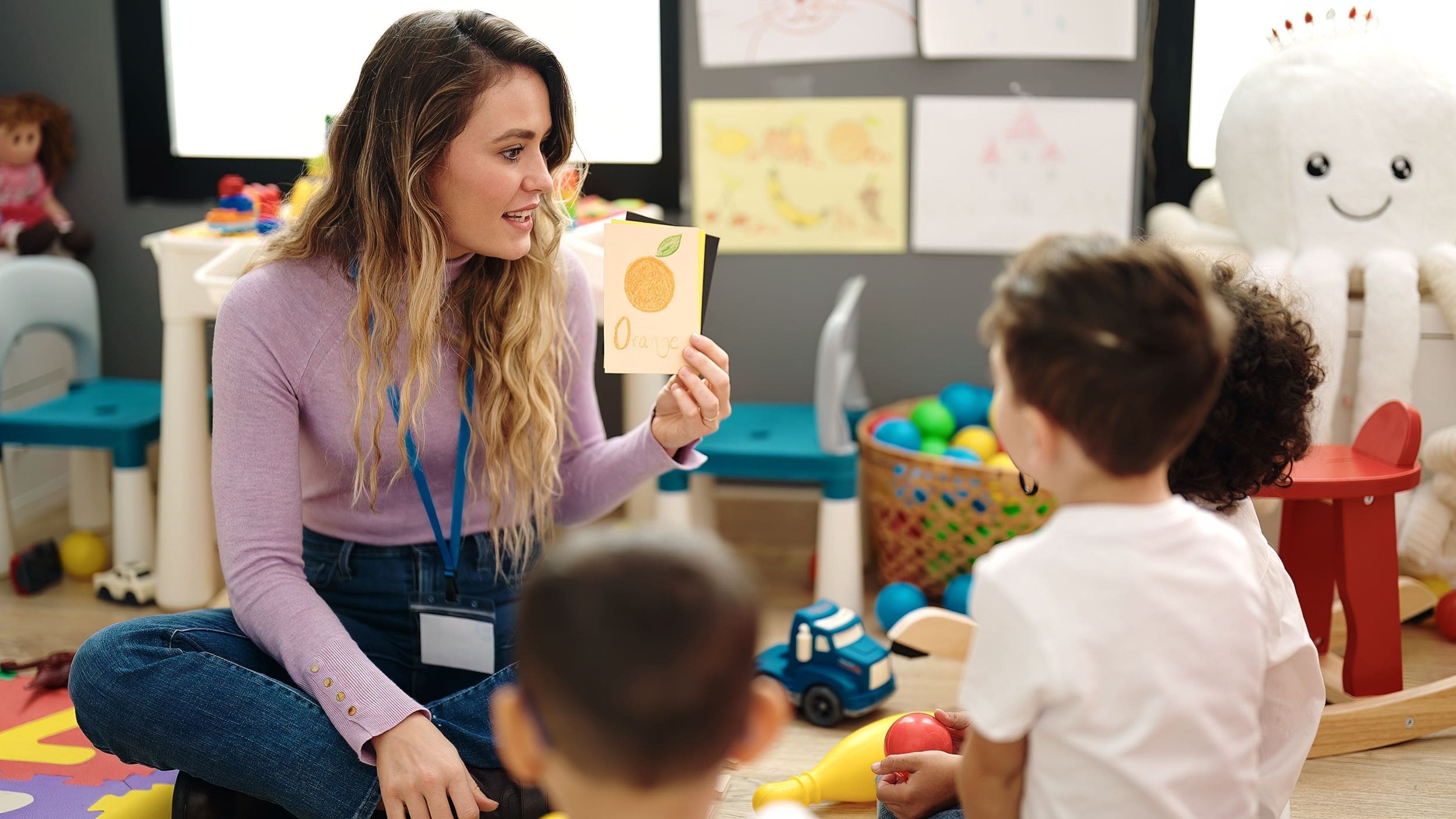
As children settle in, these first peer connections often grow into early friendships. Staff can nurture these relationships through small-group activities such as sand play, role-play corners or simple shared projects. These quiet, shared spaces encourage cooperation and reduce the risk of anyone feeling left out.
Gentle recognition helps children notice what positive interactions look like. During circle time, a teacher might say something like, “I noticed Jamie invited Tia to join the painting table this morning – that helped her feel welcome.” Small moments like these help quieter children feel seen and show the group what kindness looks like in practice.
When disagreements happen, restorative conversations – rather than punishment – help children explain how they feel, understand each other’s viewpoints and work out how to make amends. Over time, children begin turning to classmates rather than relying solely on adults, showing that a sense of belonging is starting to take root.
Predictable routines and visual support
Predictability helps children feel safe when they enter a new setting. When the rhythm of the day is familiar, they can stop worrying about what comes next and start paying attention to play, people and the environment around them – things that will help them grow and learn.
Visual cues play a big part in this. A simple picture timetable – showing arrival, snacks, free play, outdoor time and home – gives children a clear sense of the day without long explanations. Many prefer pointing to the next picture rather than asking a question, especially when they’re tired, shy or still learning English.
Alongside visual support, small routines help the day feel manageable. A familiar welcome at the door, a gentle tidy-up signal or a regular way of ending an activity reassures children that they know what’s happening. Involving them in these moments – choosing the welcome song, helping prepare snack items or handing out cups – gives them a sense of ownership and belonging.
When routines do change, a quick warning makes a big difference. Also, remember to update the timetable, as children may grow to rely on this as a reference. Even very young children notice when something shifts without explanation, so a simple, calm heads-up helps them prepare.
Gradual entry – phased and flexible times
Instead of making children take on too much at once, try starting with shorter sessions. This can make the first days feel less overwhelming. A phased approach gives children time to adjust to new routines, new adults and a busier environment without facing a full day straight away. Many settings begin with a couple of hours, then build up to longer sessions as the child becomes more settled.
Timings should reflect the child’s temperament. Some older children settle quickly and may manage longer stretches after only a day or two. Others need more time and benefit from several brief visits before moving towards full days. It’s usually best to be flexible rather than stick to a rigid preset schedule.
Some nurseries offer a short period of “family time” at the start or end of each day. Parents stay for a few minutes, help their child find an activity and then step back when the child is ready. Over time, these moments shorten so the child gradually transfers their trust from parent to teacher in a calm, predictable way.
Phased entry also helps children joining mid-year or moving into Reception after being in another setting. Even confident four-year-olds appreciate the chance to start with a morning session or work alongside a known buddy before tackling a full day.
Making children feel reassured and emotionally safe
Settling into a new environment is easier when children feel understood and have access to familiar sources of comfort. Small, well-planned strategies help them manage anxiety and avoid feeling as if they are getting swept along in a series of big changes.
Comfort objects
Many children rely on a favourite soft toy, blanket or family photograph when entering a new environment, as these items carry the familiarity of home and can soothe nerves.
Settings can invite children to bring one small comfort item, which will be kept in a named pocket or peg area so that it stays safe and easy to reach. The last thing anyone needs is a much-loved toy going missing!
Rather than hiding these objects, practitioners can weave them gently into the day. For example, teddy might sit beside a child during snack time or join a simple role-play activity.
When used carefully, comfort items help children settle without creating dependence. Clear boundaries help too: items return home daily for cleaning and are gradually phased out as the child becomes more comfortable.
Emotional check-ins
Children adjust best when adults notice their feelings and respond to them.
Short emotional check-ins show that their worries and moods are taken seriously. These can happen at natural points in the day – before lining up, after a busy activity or when arriving in the morning. A simple “How are you feeling today?” can make a child feel supported. Teachers can also ask them to choose an emotion card as an alternative way to express themselves.
Some settings use small group rituals, such as an emotion circle. A soft object marks whose turn it is to speak, allowing each child a chance to share how they feel or ask for help. These moments build emotional literacy and help staff spot patterns, such as a child who often feels unsettled after weekends or mornings with a change at home.
For some children, talking isn’t so easy. Visual tools such as magnets or picture cards can help ease communication. Parents can share observations from home too, helping practitioners anticipate possible anxieties. This steady flow of information means worries are spotted early. Children can receive reassurance before their emotions become overwhelming.

Collaborating with families & sharing insights
Parents and practitioners see different parts of a child’s world. Bringing those perspectives together helps everyone understand how the child is coping and where they may need extra support.
Conversations between staff and parents at drop-off and pick-up times are valuable moments to share observations. Practitioners might notice how a child plays with peers or manages group routines, while parents can explain how the morning started or whether anything at home might affect the day. In some cases, face-to-face time is limited, so messages through secure apps or brief notes in a diary can keep this communication steady.
Many settings hold a short settling-in review after the first week or two. This is a helpful opportunity for parents and staff to reflect on early progress: whether the child is making friends, engaging in play, seeking comfort from a key adult or showing interest in certain areas. Together, they can agree on small steps that support the child, such as offering quieter activities at the start of the day or encouraging short periods of group play.
All of this information feeds into a simple, evolving picture of the child’s needs and interests. When families and practitioners stay in close contact, children experience a joined-up approach that makes the settling period calmer and more predictable.
Supporting language and communication needs
Children arrive with a wide mix of communication styles. Some may have speech delay. Some might express themselves differently. Others may even be learning English for the first time.
Early, gentle observation during play helps practitioners understand what each child needs without making the process feel formal or intrusive.
Teaching staff can support understanding by using clear, simple language and pairing words with gestures or visual cues. Picture symbols or dual-language labels on coat pegs, snack areas and activity spaces help children follow routines without feeling lost. These small adjustments ease frustration and help children take part in group life with more confidence.
For children with identified speech and language needs, close communication with speech and language therapists keeps strategies consistent. Tools such as Communication Passports, which outline key words, gestures or preferred cues, make interactions smoother. Practitioners can build language naturally by expanding on children’s words without overwhelming them, giving space for processing and responding.
Bilingual children thrive when their home language is welcomed. Families might record short greetings or songs in their own language for use during the day. This helps children feel recognised and supports their sense of identity. It also offers peers a positive window into different languages and cultures. As children gain confidence in English, they keep the reassurance that their first language still matters.
Reviewing and adapting your settling-in approach
No single approach works for every child. Regular reviews and reflection help you understand what’s going well and what you might need to change. Remember that this is a joint effort; you’ll notice improvements when you collaborate across the team and with families.
Observing how children arrive, join activities or seek comfort gives a realistic picture of how they are coping. Patterns such as frequent tears at drop-off, hesitancy to join group play or reliance on a comfort object can guide decisions about extra support. If a child remains unsettled for longer than expected, a short meeting with parents or an additional home visit may help everyone understand what the child needs.
Ask parents questions at pick-up or ask them to complete a short survey after two weeks. This can highlight things you might not see during the day. You can share these observations in staff discussions so that the whole team can make small, practical changes.
Flexibility is essential. Some children respond well to visual timetables, while others need simpler cues. A buddy pairing may work for one child but feel overwhelming for another. Recording what has been tried and what has helped builds a working record that can guide future planning.

Helpful resources
- NHS, Best Start in Life – straightforward advice for parents on preparing children for nursery or school, including routines and separation
- Department for Education, EYFS framework – statutory guidance for early years providers – useful for understanding expectations around settling in and emotional well-being
- NSPCC – practical support for families and practitioners when children show signs of anxiety or need extra reassurance during transitions
- Speech and Language UK – visual tools and early communication strategies that help children who are new to English or who need support with speech and language
- BookTrust – selection of picture books that help children make sense of new environments and changes in routine
- Local authority early years teams – most councils offer sample settling-in forms, guidance and practical templates that reflect local expectations.